How do you get people to want to cycle? How do you get comfort loving people to want to….?

I love a good military story.

I grew up with a stepfather whose father was in the military. My stepfather couldn’t join the military and I’m pretty sure he never wanted to any way, but he loved a good military story. I was a little girl in Oldham County Kentucky when I first watched “The Big Red One” I remember participating in a charades project to help us with our spelling. I selected “The Big Red One.” as my topic. I drew a dash on the chalkboard for each letter and then pantomimed “Big” “Red” “One”. Nobody got it.

I was shocked. How do you not get military movie titles? I was even wearing something red to help out with that word. To me it was clear as day, but the kids in the class kept picking titles they were familiar with. They stuck to the things they knew. The stories they had been sold through the local news and popular media. They only knew what others wanted them to know. So those were the titles they were guessing. Their choices didn’t make sense and totally didn’t fit.

What does that have to do with cycling? What does it have to do with getting people to want to cycle?

Let’s play a game. Below is one way to encourage more people to get out and try a bike. Can you guess the title?

__ __ __ __   __ __ __ __ __ __ __.

Here’s a hint.

The above title will protect cyclists.

Are you thinking….

Remsen-Bike-Lane2

If you were thinking “Bike Lanes” then you have the same thinking pattern as my classmates from years ago.

“Laws Protect” is the title.

This brings me to my all time favorite movie. “The Hunt for Red October”. I own it and watch it whenever I’m feeling down.

Here you have a guy who is trying to convince Politicians and Military personnel that this Russian is wanting to defect. Ryan asks himself “How do you get people to want to leave a submarine?” “How do you get people to want to get off a Nuclear submarine?” and then the lightbulb goes off in Ryans head. Ryan now knows how the Russian is going to get his men to willingly evacuate the submarine. Ryan is excited and he is met with some derision from the Commanding Officer as he explains the plan to the Captain.

It made sense to Ryan. He thought it through and based on the factual information he had obtained, Ryan came to a reasonable conclusion. It just wasn’t so easy to get everyone else on board.

A lot of people are pushing for the infrastructure. The laws are lagging behind.

A cyclist was struck and killed in a bike lane.

A cyclist was struck and injured in a bike lane.

No charges filed.

In most states cyclists are legally mandated to use unsafe facilities.

When they use those facilities they should be protected. Not just by the facilities but also by law.

We need laws protecting road users. Everyone is vulnerable to careless and aggressive drivers.

Lets stop fixating on bike lanes and start thinking outside the box. With the history of injuries and deaths associated with bike lanes and even separate bicycle paths we need to do more. People need to feel safe. They need to be comfortable.

People understand liability and sadly the majority of people are not altruistic. They are lazy and basic in their needs and wants. If you make a law which holds a motorist liable for injuring a cyclist, if you create anti-harassment task forces and laws, if you enforce the existing laws you will have more people feeling safe and confident. If motorists get tickets for harassing cyclists, if motorists get taken to court and forced to stand before a judge and account for their behavior, you are going to have the best advertiser for cycling that you could ever possibly have. It would go something like this.

Motorist: Man I just got out of court.

Motorists friend: What did you go to court for?

Motorist: Oh some damn cyclist was in the road and I passed him in the lane. Honked my horn at him too.

Motorist friend: How did you end up in court over that?

Motorist: Well this officer saw me and pulled me over. Told me that is illegal and I got a ticket for improper lane usage and unnecessary use of the horn.

Motorist friend: Those are laws?

Motorist: Yea.

Later that day.

Motorist friend is out driving and sees a cyclist in the road. He adjusts his speed for traffic conditions, changes lanes when safe, and passes the cyclist. Cyclists gives a wave and the Motorist friend waves back.

The passenger in the motorists friends car turns to him and says “Those damn cyclists, I’d have buzzed him and honked the horn”. Motorists friend “Yea, but it isn’t worth getting a ticket.” Passenger “You can get a ticket for that?” Motorists friend “Yea, it happened to my friend and he just got out of court today, pretty hefty fine.” Passenger “Good to know. I’ll just pass them like you did. Nothing is worth a ticket like that.”

The cyclist is left feeling good about the people operating their vehicles around him. He gets to his destination and tells his friends who drove all about the great ride he had and how courteous the other road users were. His friends find his exuberance catching and before you know it they are at the bike shop and wheeling around on their own bikes. The cyclists feel good about the people operating on the road around them and they have the assurance that should something happen, law enforcement will take him seriously and protect his rights equally under the law.
And there we have a cycle of courtesy that goes beyond any infrastructure or expensive educational Public Service Announcement.

The message should be loud and clear. “If you endanger vulnerable road users you will pay a hefty fine and possibly lose your driving privileges.”

Driving behavior is based on laws and if those laws are enforced drivers will behave.

Let’s imagine another scenario.

Person A is watching the evening news.

News reporter: This just in, a new anti-harassment law has been passed. State lawmakers have unanimously passed a law making it a crime to shout, buzz, role coal, throw objects, or generally harass other road users. New penalties have been added to vehicles which fail to change lanes to pass. Our own Reporter in the Field has more on this ground breaking new law.

Reporter in the field: A new law passed today making it a first class offense to treat other road users in an aggresive manner. Most motorists will try to squeeze past a cyclist in the lane. This new law clarifies the already existing passing laws which make it a ticketable offense to pass another road user in the lane. If a cyclist is shouted at, unnecessarily honked at, or an object thrown at them the cyclist only need to take the license plate number and present a report to the police. Form number A-99 is the form to request. An officer will investigate the claims and if any evidence is found that harassing behavior occurred it is a $100.00 fine or the offender, in an interesting twist, can take a cycling safety course and have the fine waived. The intention of the law is to create a safer and more civil environment for all road users and to create passing laws that the police can actually enforce. It is hard to tell what three feet looks like but everyone knows how to change lanes to pass and if an officer sees you pass with out all four tires in the adjacent lane, it means a ticket for you.

The next day person A is out driving and sees a cyclist. Person A remembers the news report from last night and adjusts his speed to traffic conditions and changes lanes when safe to do so and passes the cyclist. A life was saved because more people understood what it means to change lanes to pass.

Laws protect cyclists.

Bike lanes are just there. Like any road it is only as dangerous as the people who use it and the laws which govern them.

Trying to get people to understand this novel idea, Well, It’s hard. Really hard. The bicycle advocates throw you the cold shoulder when you try to explain it to them.
Providing cyclists with peace of mind shouldn’t be hard to understand.

Start advocating for laws which protect cyclists. Advocate for those laws as hard as you advocate for paint on the streets. Your cycling numbers will boom before you know it.

As the opening sequence goes in “The Hunt for Red October”.

Commanding Officer: “It’s cold out Captain”

Captain: Холодная и трудно (Russian) Cold and hard.

If you have ever been on the receiving end of harassment or know someone who has, then please share this with the people you know.
How far did you get buddy!

Someone posed the question: “When controlling the lane, how do you handle the motorist or passenger that yells, points or beeps and says get out of the road? Yell back, shake your head, wave, wave w/one finger, try to educate them or something else? Thanks!”

Here is my response.

My daughter who typically blows kisses and hollers love ya!, got caught up in a motorists obvious rage a few days before christmas.
We were coming out of Oxmoor mall and heading to St. Mathews mall. We determined that the middle left turn lane was our best option to avoid merging traffic trying to get on and off the interstate.
A motorist flipped his lid that we were in the left turn lane and started honking outrageously. At first I ignored him as he was pretty far behind us and I thought he was honking at traffic in general. The old man driving the minivan managed to get up to the left of us and started the aggressive honking again. My daughter and I had been feeling pretty stoked up to that point. After everything we have been through a chance to decompress over the holidays was really rewarding and this turd broke the mood.
My daughter became very agitated as we advanced and passed the driver and then as the flow of traffic goes, we caught up to him and passed him.
Here is where it gets funny.
At the time it wasn’t funny.
So my daughter gets really angry at this guy who shat all over our peace and in an italian gesture puts her hand up and says “how far did you get buddy!” She is looking at him the whole time and I scream at her to look out. She caught herself in time to avoid serious injury but still managed to rear end the car in front of her.
At first we were both kind of shaken. No one was hurt and there wasn’t any damage. The driver looked in the rear view mirror and I waved. They shrugged and went on.
Now we laugh about it and when someone honks or is rude to us, we look at each other, smile, and say “How far did you get buddy!”
My personal opinion is do what you want. In that moment at that time your response is yours and I would never judge you are criticise you for acting the way you chose.
My only advice is to not let them rile you up to the point that you lose control of your own safety.


I would like to add.

Some people operate under the illusion that we can control the behavior of those around us. The reality is that we can only control our own behavior.

There isn’t any shame in losing your temper and the adage that “Civility is free” holds true. To each his own. Sometimes I smile and wave, sometimes I holler fuck you. It just depends on the situation, my mood, and if I feel my life was in peril by their actions.

Mostly I would just like to see this bad human behavior of judging other peoples reactions to potentially life altering situations come to an end.

How far did you get buddy!

My daughter.
My daughter.

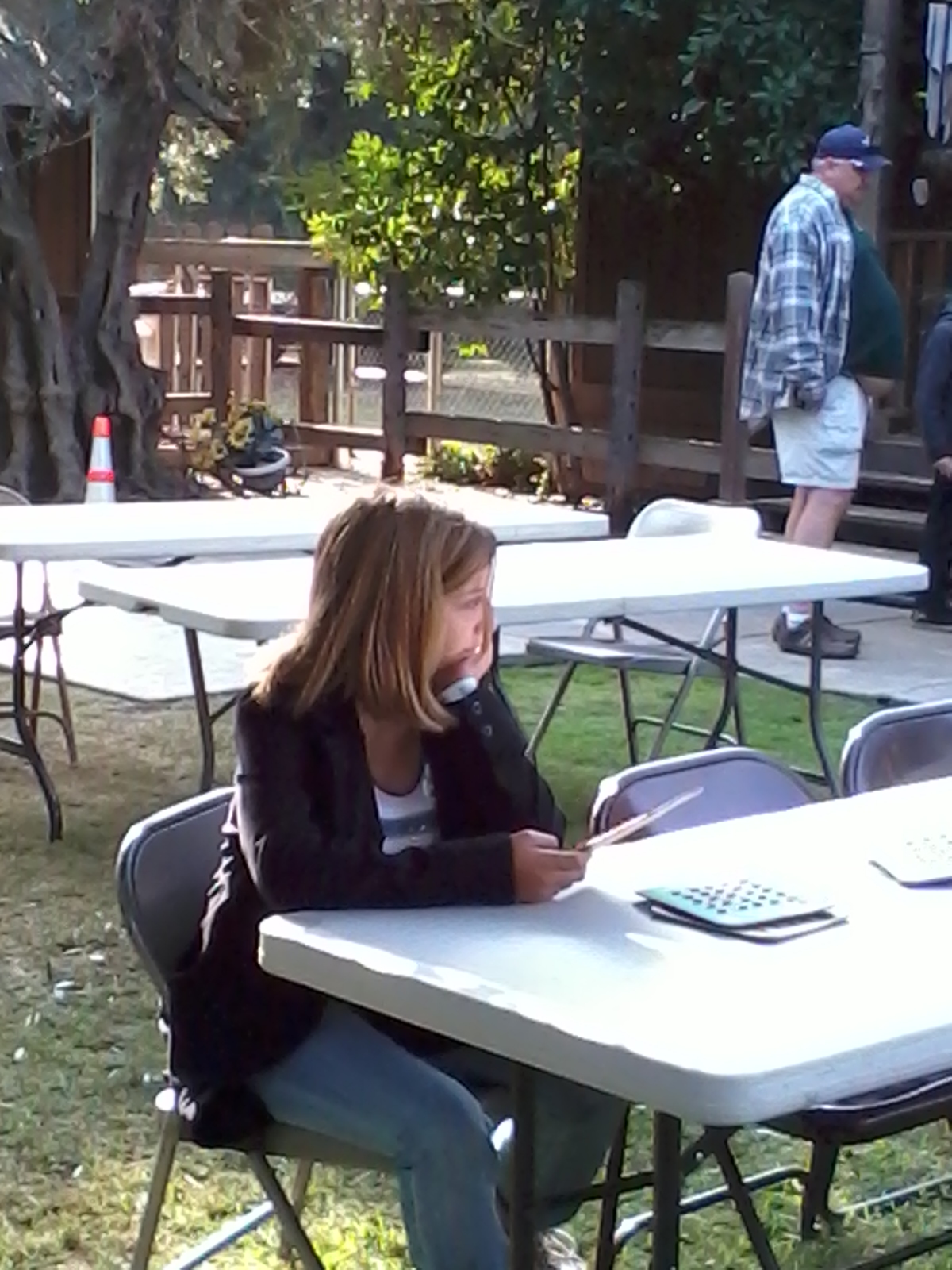
She sits thoughtfully at a charity event. She had at this point won 3 frozen turkeys. Seeing a family that had not won anything she gave them one of the birds and gave the other one to another family.

Now I know

The image at the top is what happens when cyclists ride on the edge of a highway. This is our story on how we learned the easy way to stay safe.

When I first started out, I didn’t have a clue but now I know.

I know that the biggest problem with getting people to accept cycling as a viable means of transportation is not a lack of bike lanes. It is instead the human condition. What we lack is knowledge and critical thinking skills. This idea that you have to be “fearless” to ride a bicycle on certain roads is complete bunk. Knowledge of the laws and why we have said laws or rather the lack of such knowledge is far more crippling to cycling than the lack of bike lanes.

How can I be so sure?

Because I was faced with the choice of keeping my kids locked up and confined to a small town. A town which doesn’t have a single movie theater, museum, or anything remotely kid friendly for entertainment. A town that moved it’s one form of entertainment a.ka. the local library, and put it so far out of reach that we had to ride our bicycles through a high-speed road where dump trucks were accessing the entrance to the local rock quarry. A town where there isn’t a single bike lane and all roads are driven at 35 mph or greater regardless of signage. A town where a family of five burned up in a fiery high-speed crash and a pedestrian was mowed down while crossing her residential street to visit a neighbor.

My choice was to educate my children on how to safely group ride from one town to the next.

In the beginning they were nervous and my youngest said she was down right scared. I told her that if we decided it was too scary we would turn back and go home.

So we discuss our route. I explain where we are going to ride on the shoulder and I explain where we are not going to ride on the shoulder. I explain the different movements that vehicles make and discuss driving theory 101 with them.

We pretend to be people driving cars and one of us pretends to be on the edge as a cyclist. They get a first person experience in a closed environment and learn about why people drive the way they do and how we can prevent common mistakes.

We start out.

The first thing we do is turn onto the shoulder at the junction of Wichita lane and U.S. 27. Very quickly we approach that section where riding on the shoulder is no longer safe. Motorists go flying past us at full speed. 60 mph + onto the off ramp. We are not a part of traffic. We are irrelevant to them. We stop and wait and wait and wait and wait and wait and wait. It starts to get tense. Sitting still while cars go flying past you is very uncomfortable. There on the edge my daughters fear rises as motorists blindly fly by, her anxiety climbs. I’m feeling it too. As soon as it is clear, we dart across the on ramp and continue on the shoulder. Things go well. My daughter starts to feel better and before we know it we are now at the off ramp. This is the junction where U.S. 29 meets U.S. 27. It is important to note that these ramps are marked as 15 mph. However they are engineered in such a way that you can take them at full speed and take them at full speed the locals do.

We all stop in the center “no mans” land. It was the shoulder but now it is an island of doom. Cars are whizzing past us on both sides. The break comes sooner than last time and we make our way onto the road. This time we do something different. We ride the travel lane. The shoulder here is like all the other shoulders covered in rumble strips, broken glass, gravel, bits of metal shards and other garbage strewn across it. The travel lane is smooth and worry free.

As we bike down the high-speed road I ask my daughter how she feels. “This is a lot better than the shoulder” she says, I was surprised. Shocked really. I was sure that she would “feel safer” on the shoulder. My daughter explains: “When I was on the shoulder all these cars were just whizzing by us like weren’t even there. Once we were on the road it was like they saw us and a lot of people slowed down and passed us at slower speeds. I didn’t have to worry about someone running into us”.

We ride the travel lane over to Etter Dr. and after we make it through the intersection we move back to the shoulder at my request. Both kids were asking why we had to be on the shoulder. My son was saying “Come on mom. We can be in the travel lane. Let’s just move over.” I was determined to keep us on the shoulder and we kept on going. Right up until we came to Raising Cane’s. This is another section of road where the engineers designed a nice high-speed right turn. My fear is that someone will take that right turn at typical speed and plow right into us. So we waited and waited and waited and waited for traffic to clear. Then we carefully navigated the rumble strip and we rode the travel lane. Once again the anxiety that had been building in the kids quickly dissipated and even though we were honked at and screamed at by passing motorists. Everyone enjoyed their ride in the travel lane. People in cars noticed us. They slowed down to normal speeds and acknowledged us with honks and screams. We shook our heads at the sorry ass motorists and kept on biking.

We went through the intersection and just like before, we signaled and moved onto the shoulder. Same thing again. Ride the shoulder, anxiety increases, fear mounts, and then we come to an area that is no longer even remotely safe to be in so we move over to the travel lane and the anxiety decreases, the fear disappears and we are safer than we were before.

Motorists are anxious. They don’t like us to be in the travel lane. They honk at us. Scream at us. Call us idiots. But we are not idiots. We feel safe and carefree in the travel lane. It was after all built and engineered for traffic. The rules of the road are dictated by the lane. We are following the rules of the road and it feels good. My daughter laughs. My son shrugs his shoulders and rolls his eyes. Life is good.

As we wait at the light that intersects Business U.S. 27 from U.S. 27 I ask them if they want to move over to the shoulder after we get past the on ramp. They say “NO”. We are safer here in the lane they insist. I shrug and say o.k. but inside I am bursting with pride. My kids are smarter than Andy Clarke of L.A.B. infamy and Carl Overton of Lexington who at 30 something is afraid to ride his bicycle on anything other than 25 mph roads.

Cars drive past in the left lane. We ride on in the right lane. My kids are practically bouncing up and down on their respective seats. “This is fun!” my daughter screams at a motorist who aggressively honks as they pass us. They flip her the bird. She laughs and flips them the bird back. “Fuck them” she says. I chide her on her language. “They flipped me the bird first.” she says. We agree to let it go and continue our ride.

We make our first pit stop at Catnip Hill Road. We stop at the BP and get sodas. We talk about the route so far. We discuss how we felt on the shoulder as opposed to the travel lane. My kids are practically walking on air. They high-five each other and shout “We are riding the travel lane.” and off we go.

We take a left from Catnip Hill Road back onto U.S. 27 and this is where the safety of the travel lane is re-enforced into our mental psyche. As we are riding along a motorist comes flying out of a local strip mall shopping center and slams to a halt right on the shoulder. You can see from the tire marks on the pavement that this is normal motorist behavior. My son says “Good thing we weren’t on the shoulder”. My daughter says “Yea, they would have hit us for sure.” We ride on.

As we continue down U.S. 27 I point out the potholes, rumble strips, and broken pavement. They point out the rocks, gravel, and broken glass. We all agree that the travel lane is best.

We had a great time in Lexington and half the fun was traveling there. We rode back home without incident and on the way back my daughter said “I can’t believe I was afraid to ride my bike.”

Fear for fears sake

or

Fear of the unknown

Propaganda fueled rhetoric about making cycling safer isn’t helping anyone. So shut up and put up. If you can’t ride the ride then you have no place deciding what is or isn’t safe.

zma12536
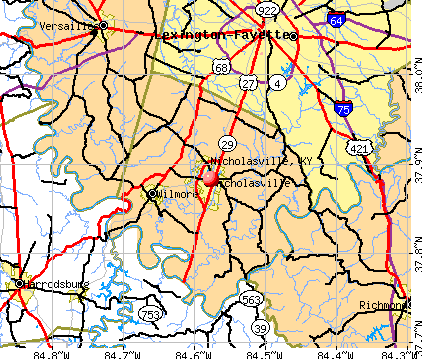
There are not any side roads to get to Lexington. All of the roads are high speed roads. So we pick the one that takes us directly to our destination. It also has the added benefit of being a multi lane road.
cm1969
We are traveling from Nicholasville to Lexington. U.S. 27 is the safest and most direct route.
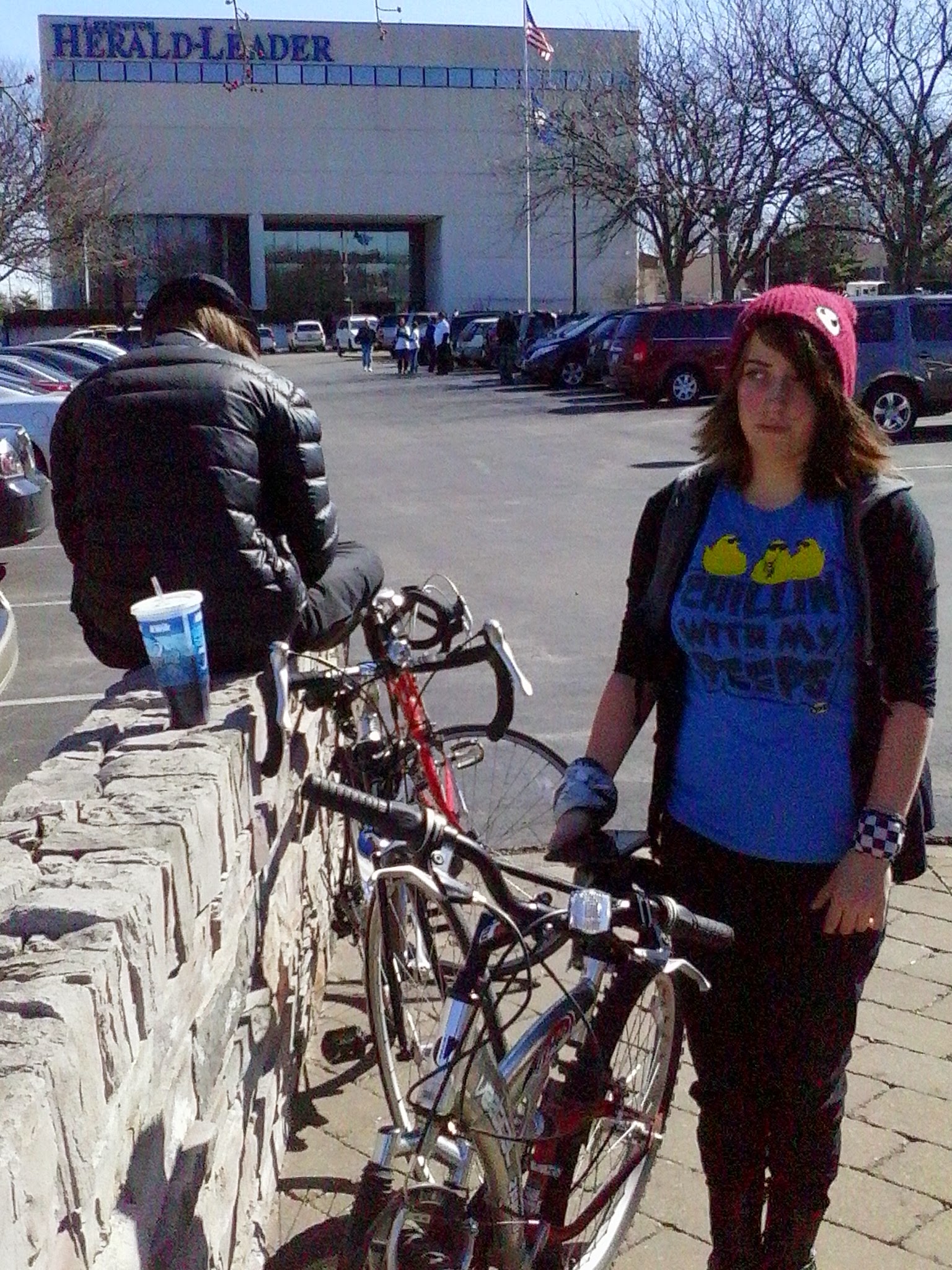
IMG_20140315_120040
Nathan has his back to the camera. Elena is looking out towards Main St. in Lexington.
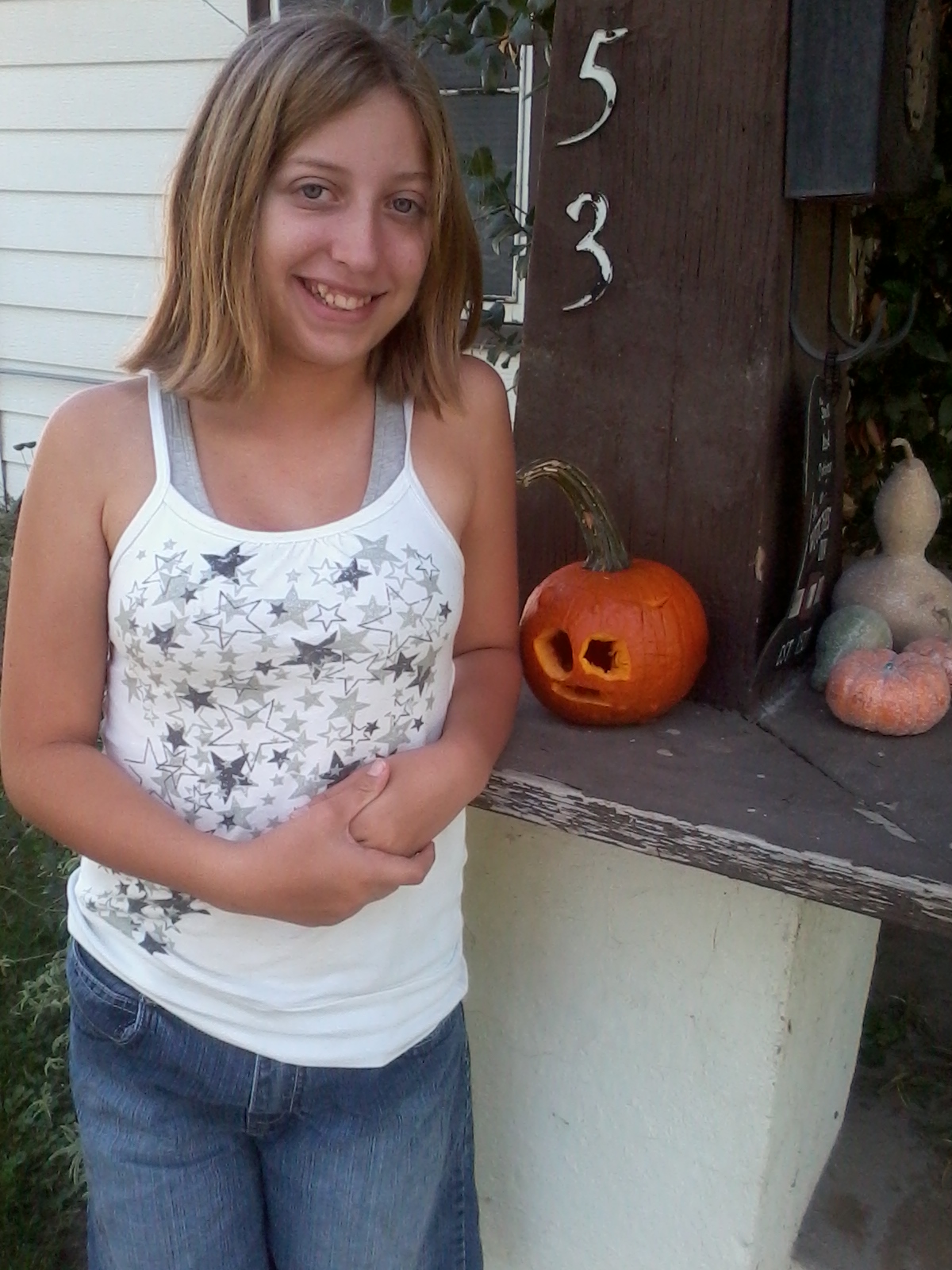
IMG_20111029_105914
Elena. Bicycle adventurer. She loves exploring the town on her bicycle. She says “Sidewalk riding isn’t safe.”
IMG_20111105_195405
Nathan. He likes to visit his friends. He gets around on his bicycle. Nathan says “Who needs a car when you have a bicycle?”

I need your help

I am being prosecuted for Wanton Endangerment 2nd degree. My crime? Riding my bicycle on the travel lane.

Before you flip your lid, as some have done.

Please understand.

I did not start out operating in the travel lane. I used to have an old style Sun-EZ recumbent and I used the shoulder almost exclusively. Figuring out how to navigate the shoulder was no picnic. In some locations the shoulder was literally covered in a half an inch of debris. I used the travel lane only when necessary. I was afraid of the people operating their vehicles.

There was one incident where I was traveling home and I was trying to share an un-share-ble lane. The motorist who approached me from the rear almost hit me at an intersection. This was in Fayette Co. and there are not any shoulders at this intersection.

The motorist began to berate me and hurl verbal abuse at me.

I rode on and we met up at the next light where he continued to hurl abuse at me. I called the police.

Fayette Co. police officer took the report and advised me that I was not required to share the lane. He said the entire lane was mine. I didn’t not believe him but I wanted to see the law for that. He didn’t mention any specific law. So I kept riding the edge.

After I graduated to my first road bike. I found the shoulder very unsafe to navigate on two wheels. I used the travel lane more frequently. I went on my first club ride and realized that I was not in very good shape. I had lost a lot of weight at this point but I was still not in great shape.

So I spent a lot of time recovering from that ride.

I continued to use the shoulder, even when it was dangerous for me to do so. Every time I tried to use the travel lane a motorist would harass me.

I was very vocal with the police about the treatment I had been receiving. I often reached out to them for help. They often refused to help. I quit asking for help.

When things would get really hairy I would call them. Not much was done.

Motorists started chasing me down. Driving on the shoulder. Chasing me down, while driving on the shoulder.

It was nuts. I tried taking an alternate route home. That was worse. They could barely manage to share a 5 lane road. They sure as heck were not going to share a 2 lane road. All of them 55mph. Did you see that? All alternate routes are 55mph. The worst ones are two lanes. Zero shoulder. Gravel lined ditch on either side.

All with lanes that are not able to be shared. It was horrifying to watch them pass me with oncoming traffic. I was scared to death that someone would be killed. So I stuck to US 27.

To make a long story short. They started ticketing me for using US 27.

Ky state law is clear. I have not broken any state laws. Even Jessamine Co. recognizes how dangerous it is to operate on the edge. They have banned bicycles from sidewalks. I was told by a police officer that using the sidewalk is illegal in Jessamine Co.

Using the shoulder is illegal in the state of KY.

That is why they made an exception. The exception states that bicycles MAY use the shoulder. KY understands that the shoulder is not always the safest place to be.

Whether you agree with where I ride or not. You do agree that bicycles have a right to be on the road. Even the L.A.B. has said Bicycles have a fundamental right to the road.

I have an attorney. I have just enough for his retainer. I still need your help.

I know times are hard for a lot of folks. You don’t have to donate if you can’t. But please share this. Share it far and wide. Because someone who knows someone just might be able to help and the fact that you shared it with them is a huge help in and of itself.

Thank you!

http://www.gofundme.com/8uvfkw


What My Bike Has Taught Me About White Privilege

But when I’m not so civil with a “privileged” driver, it’s not because I hate him/her, or think s/he is evil. It’s because it’s the third time that day I got some gravel in the face. So try to remember that even if you don’t feel like a “semi driver,” a person of color might be experiencing you the way a person on a bike experiences being passed by a semi. Even if you’re listening to Christian radio.

via What My Bike Has Taught Me About White Privilege.

Thank you for writing such a well spoken blog.

That’s a lot of if’s! OR Much ado over protected bike lanes.

I can see the appeal of “Protected Bike Lanes” for family’s, young riders, and scared adults.

The problem I have with these:

1. Laws that legally mandate me to use it. Which is a violation of my Civil Rights.

2. Non-Integrated engineering to create lanes that work with existing laws regarding movement of traffic on the roads. i.e. stop lights for the bicycle lane to prevent cyclists from moving forward when it is legal for right turning traffic to turn.

3. Lack of anything even remotely close to a real barrier for protection.

If they would fix the mess these “Things” create, I would support these types of lanes for the sake of encouraging ridership.

If schools would integrate bicycle education into the curriculum for students.

If there were bicycle driving education centers.

Then these could work.

Otherwise it is just window dressing and more people are going to get killed.


The inspiration behind this particular blog.

Window-Dressing-Vogue-Butterick
Window dressing: It looks nice, but it doesn’t actually do anything.


In the mean time we will just have to stick to “Old Fashioned” roads. Like the ones we had when I was a kid. And we will have to take responsibility for educating our kids on how to operate their “Vehicles” responsibly.


It’s just an idea!

What if?

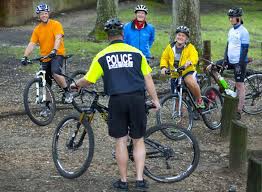
Every time a motorist had to appear in traffic court for a violation, They could work off the points on their citation NOT by attending traffic school BUT by attending a bicycle ride along program.

images (50)

It’s just an idea. One that I think we should make happen. There is nothing better than a first person view point and there is no better view than from the seat of a bicycle.

Greensboro Police Offer Bicycle Ride-Along Program

The city of Greensboro has a good thing going on here.

Blood

I gave blood a few weeks back.

The finger stick was the worst part

Please stop sticking people in the middle of the finger. You stick them on the side. It hurts less.

I remember that I gave blood a few weeks back because the finger stick still hurts.

When sticking a donor, stick them on the edge or edge corner of the finger. Please do not stick them in the center of the pad.

That shit hurts.

See you again in a few weeks.

bloodusers


Segregation and Cycling

“When we think of segregation, what often comes to mind is apartheid South Africa, or the American South in the age of Jim Crow—two societies fundamentally premised on the concept of the separation of the races. But as Carl H. Nightingale shows us in this magisterial history, segregation is everywhere, deforming cities and societies worldwide.”

Quote from: Segregation A global history of divided cities by Carl H. Nightingale


“Those who don’t know history are doomed to repeat it.”

Edmund Burke


onbike

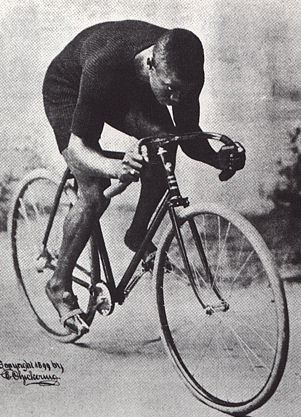
Cycling was the first sport to break the race barrier. 

Marshall Walter “Major” Taylor (Indiana, 26 November 1878 – Chicago, Illinois, 21 June 1932) was an American cyclist who won the world 1 mile (1.6 km) track cycling championship in 1899 after setting numerous world records and overcoming racial discrimination. Taylor was the first African-American athlete to achieve the level of world champion and only the second black man to win a world championship—after Canadian boxer George Dixon.

Major Taylor was a champion in a renowned sport long before baseball became the national past time. So when you think of the first sport to have mixed race, Think Cycling. Not Baseball.

For more history on Major Taylor visit The Unknown Story of “The Black Cyclone”.

Cycling was the first at many innovations.

Because of the bicycle we have the Automobile.

Because of the bicycle we have Motorcycles.

Because of the bicycle we have Airplanes.

Cars, motorcycles, and airplanes owe their origins to the bicycle and bicycle mechanics.

You can read more here: The Bicycle Revolution.

Bicycles are why we have roads. 

The “Good Roads” movement was begun by cyclists and carried forward by the automobile enthusiasts.

You can read more here: Roads were not built for cars.

Origins

Out of one came many. Modern man and the varied races we have on this earth all owe their origins to one common ancestor. Our first ancestors were not Caucasian.

You can read more on this subject here: What DNA Says About Human Ancestry—and Bigotry.

In the same manner that we as a people all had one common origin, So too our transportation.

Separate but equal

“The legitimacy of laws requiring segregation of blacks was upheld by the U.S. Supreme Court in the 1896 case of Plessy v. Ferguson, 163 U.S. 537. The Supreme Court sustained the constitutionality of a Louisiana statute that required railroad companies to provide “Separate but equal” accommodations for white and black passengers and prohibited whites and blacks from using railroad cars that were not assigned to their race.”

“The issue of whether public facilities may be segregated based on race first arose in the context of transportation, not education.  In the 1896 case of Plessy v Ferguson, the Supreme Court concluded that a Louisiana law requiring whites and blacks to ride in separate railroad cars did not violate the Equal Protection Clause.  In an opinion that reads as though written by someone from Mars, Justice Brown wrote that the law did not “stamp the colored race with a badge of inferiority” and that any such suggestion is “soley because the colored race chooses to place that construction on it.”  In a famous and eloquent dissent in Plessy, Justice John Harlan argued, “Our Constitution is color blind, and neither knows nor tolerates classes among its citizens.”

Exploring Constitutional Conflicts

Separate but not equal

People of color were forced to live in sub-standard conditions. Forced to travel further to reach their destination. Forced to use separate facilities. All in the name of Safety. It wasn’t safe to allow black men around white women. They might rape them. It wasn’t safe to allow a black person to drink from the same fountain. They might transfer a disease. It was believed that blacks in the neighborhood would drive down property values. Blacks were kept separate because deep down they were viewed as inferior.

Equal and not separated

We know now that such ideology was based on prejudice and ignorance. We have a group of people who fought hard and made many sacrifices to be given their proper place in society.

You can read more about this here:

Separate facilities are inherently unequal.

Racial segregation in the United States.

Some things just don’t change

Now we are told that bicycles are a hazard on the roadway. That it is a safety concern. That it is for our own best interest to be shuffled off to the side. Segregated from other road users. Motorists don’t like us. We are viewed as inferior. Separate facilities are called for, for our own good. The roads need to remain pure and free of anything that isn’t an automobile.

And just like the origins of our first ancestors, for whom we owe our very existence. The origins of our transportation are seen as inferior and unsafe.

seg·re·ga·tion
noun
 
  1. the action or state of setting someone or something apart from other people or things or being set apart.

According to Webster’s Dictionary, to segregate is defined as to separate or set apart from others; isolate or to require, often with force, the separation of a specific racial, religious, or other group.

The problem isn’t us

“Safer Streets? Yes, Please!
A new report by the League of American Bicyclists reveals that our cities need bike lanes and protected routes more than ever. Of the 628 cycling-related fatalities studied, most were caused by careless or inattentive drivers—something dedicated cycling lanes would help alleviate.”


You can read the article here: Bicycling Magazine.

The problem isn’t us. The problem is you. We are the ones who are punished for your mistakes.

Why Bike Lanes are a Bad Idea.

Bike lanes. The good, The bad, The ugly.

“Studies of the Effects of Bike Lanes
Studies of bike lanes have established that:
• motorists give slightly less clearance when passing a cyclist in a bike lane compared to passing a cyclist in the same lane ;
• bicyclists position themselves on average in the middle of a 5 ft bike lane immediately adjacent to on-street parking, within reach of opening doors of parked cars (Hunter and Stewart 1999);”

Bicycle Driving

Bike lanes are more dangerous than regular traffic lanes

Dangerous bike lane

Dangerous “Protected” bike lane

Another bad “Protected” bike lane

Culture, Education, and Effective training. 

Are the best possible solutions to a relatively minor problem.

The loss of life is always deeply troubling. We want to fix it and make it better. I propose that we strike at the heart of the problem and stop addressing the symptoms. For every cyclist killed, hundreds more are killed in automobile only collisions.

So let’s fix the real problem.

 4899789

Osage fake ax 1

DSC00542[1]


Dutch and American “friendly vs. unfriendly” Bike Lanes

The Dutch take cycling seriously.

For the Dutch cycling is not mainly a sport or leisure activity. For the Dutch, cycling is transportation first and fun second. To be considered a serious cyclist here, one only needs regular street clothes and a bicycle. No special equipment needed.

The Dutch want infrastructure. When the Dutch set out to build cycling infrastructure, it is with the idea of meeting the cyclists needs.  Bicycle Dutch – Infrastructure, It is not the intention of the Dutch to get cyclists “Out of the way”, as it is here in America. No, the Dutch give their cyclists preferential treatment and it shows in the quality of movement on their streets. Even where there are no cycle paths. Cyclists move through traffic the same way they do here in the states. Dutch Cycling Observations.

 Cycling in Denmark – Photo Montage.

The Americans take cycling seriously.

As a sport, cycling is a big deal here in America. In America cycling is fun and leisure first, transportation second. To be considered a “Serious Cyclist”, you are expected to wear Lycra shorts, neon shirts, head-gear, specially made shoes, and have a specialized bicycle.

The Americans want infrastructure. When the Americans set out to build cycling infrastructure, it is with the idea of meeting the motorists demands. Ticket for not riding in Bike Lane. Bicycle lanes are not built, they are painted. Bike Lane Fail – as seen in this video. Where the cyclist is forced to squeeze between curb traffic and traveling traffic. Here in the States, Bicycling for transportation is some rogue phenomenon. Hardly taken seriously. So when Bike Lanes are built or rather painted, they do not take in the needs of the cyclist and cyclists get shoved down the transportation food chain. Cyclists in America are treated as second class citizens and the culture here reflects that. Attempt at humor – Fail.

It’s the Culture!

When Americans start accepting that Motor-Vehicles are not always the most convenient form of transportation and that quite often they are the problem, not the solution. Will they then start building infrastructure that caters to the needs of cyclists?

I hope so.

Until then, Stop ticketing us for being on the road, Stop turning a blind eye to harassment from motorists, Start educating local law enforcement and require them to ride in traffic and not on the sidewalk. Stop ticketing cyclists for not riding in unsafe bike lanes. Normalize cycling. Be the example and lead the way.

Safe interactions with motorists on busy streets can be done!

Seeing is believing.

Until demand for cycling outweighs the ability of the existing infrastructure to meet its needs. There is no need for bike lanes on streets with two or more lanes in one direction.

Educate cyclists to operate as vehicles. In every state bicycles are legally defined as vehicles.

Ride like one!

Educate motorists to respect cyclist space, in exactly the same manner that motorcyclist demanded driver education to make motorists more aware of them.

Biker V. Bikers

images (21)